Skip to content
Baltur
  • Products
  • Projects
  • Services
  • Sales network
  • Whistelblowing
  • About us
  • Research & Innovation
  • Environmental sustainability
  • News
  • Contacts
  • Suppliers
  • Work with us
  • Reserved area
Facebook
Instagram
YouTube
LinkedIn
  • Products
    • Burners
      • Burners
    • Application
      • Industrial burners
      • Dual fuel burners
      • Light oil burners
      • Fuel oil burners
      • Gas burners
  • Projects
  • Services
  • Sales network
  • About us
  • Research & Innovation
  • Environmental sustainability
  • News
  • Contacts
  • Suppliers
  • Work with us
  • Reserved area
Facebook
Instagram
YouTube
LinkedIn
  • Home

Search by

Burners

  • BIOGAS
  • BPM
  • BT DSPG
  • BTG
  • BTG ME
  • BTG P
  • BTL
  • BTL P
  • BVBD
  • IB
  • TBG
  • TBG LX MC
  • TBG LX ME
  • TBG LX ME V
  • TBG LX P
  • TBG MC
  • TBG ME
  • TBG ME FGR
  • TBG ME V
  • TBG P
  • TBG SLX ME
  • TBL
  • TBL LX
  • TBL ME
  • TBL P
  • TBL P DACA
  • TBML
  • TBML MC
  • TBML ME
  • TBML ME
  • TBML ME V
  • TBML P
  • TBMN ME
  • TBN ME
  • TBR

Application

  • Gas burners
  • Fuel oil burners
  • Light oil burners
  • Dual fuel burners
  • Industrial burners

What’s new

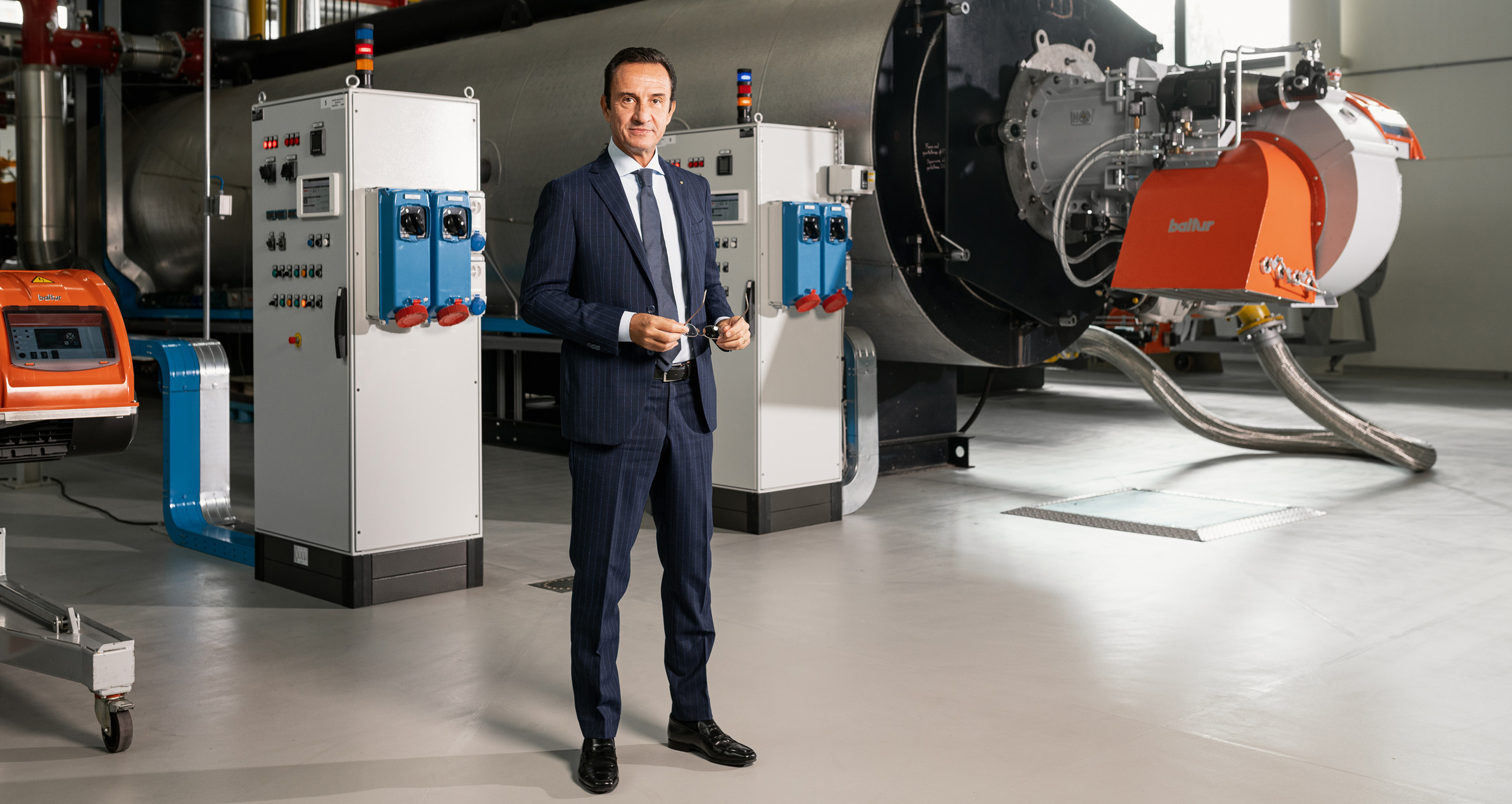
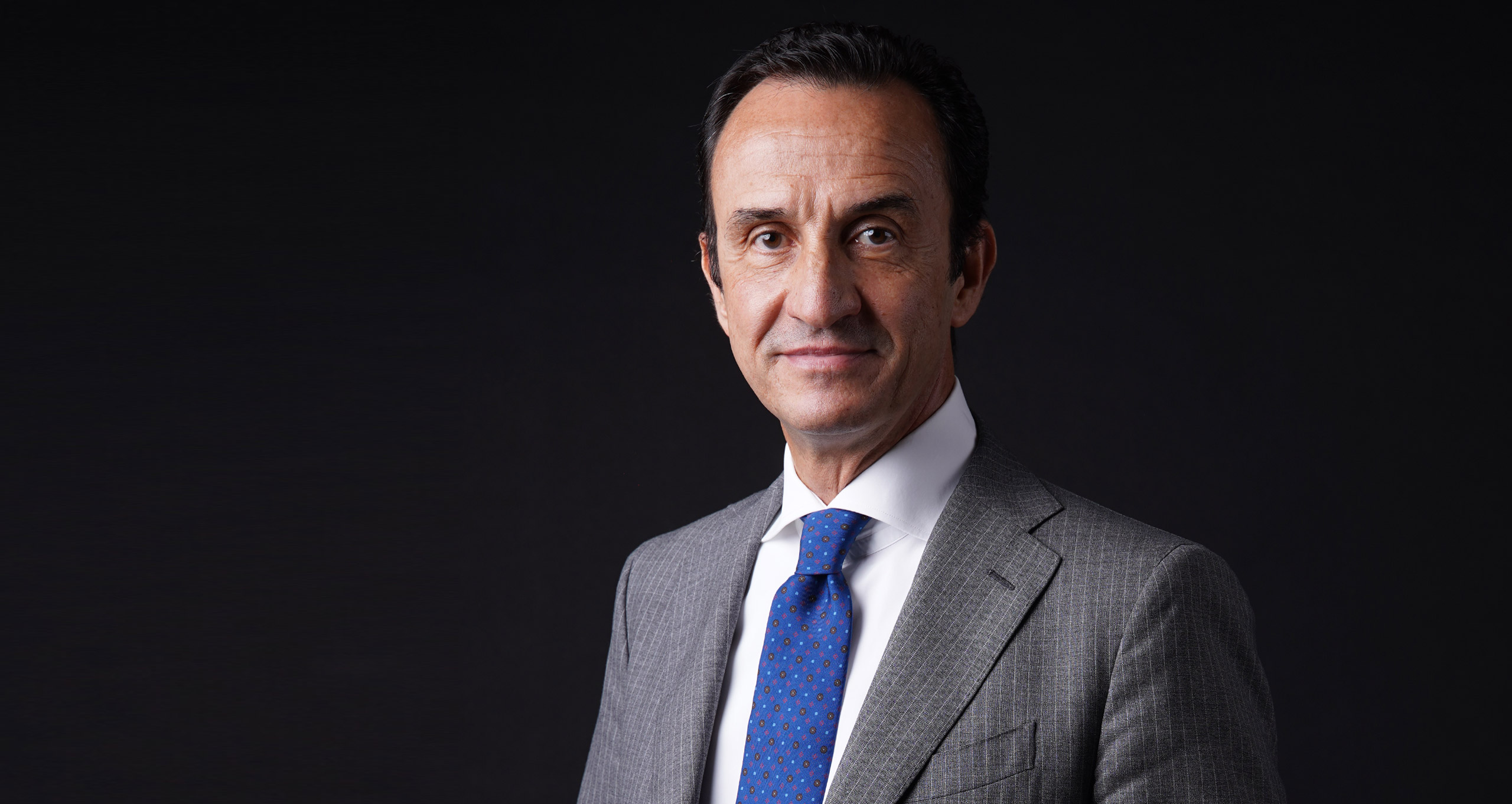
Discover the interview with CEO and General Manager Riccardo Fava: Baltur’s future between marketing, innovation, and sustainability
Customisation and non-standard, always one step ahead

Author: silvia.cantori

  • Back

Discover the interview with CEO and General Manager Riccardo Fava: Baltur’s future between marketing, innovation, and sustainability

Discover the interview with CEO and General Manager Riccardo Fava: Baltur’s future between marketing, innovation, and sustainability
30 July 2025

Categories:

We are Baltur

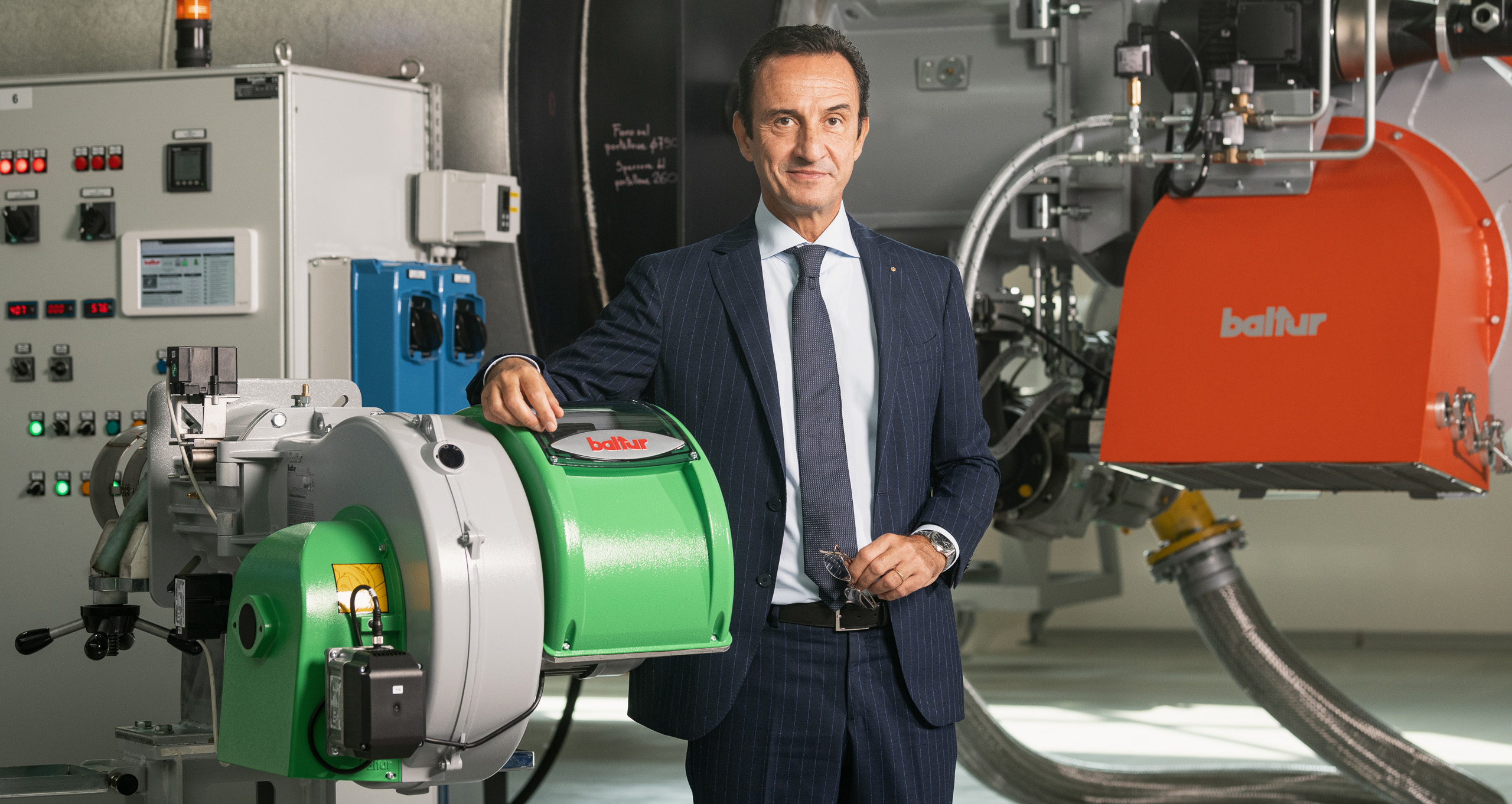
Baltur CEO and General Manager Riccardo Fava discusses the company’s evolution in an interview focused on marketing and commercial strategy.

With more than 75 years of history, Baltur stands out for its ability to integrate technology and sustainability, establishing itself as a benchmark in the thermotechnical and energy sectors through a solid and forward-looking entrepreneurial vision.

Riccardo Fava shares a journey of industrial and family heritage with a clear drive toward the future, helping us understand the direction of one of Italy’s leading companies in the sector.

1. 2024 was an important year: how have the efforts, investments, and innovations made in the first few months of the year translated into results?

2024 was a significant year for Baltur, marked by the consolidation of many strategies launched in recent years.
We continued to invest in technological innovation and process digitalization, making our offering even more efficient, sustainable, and competitive.

Our focus on pre- and post-sales service and technical consulting also proved to be a winning strategy, strengthening our position in both the domestic and international markets.


2. What product or process innovations are currently setting the pace at Baltur?

For Baltur, innovation today means not only launching new products but also developing an integrated system of solutions that combine performance, efficiency, and sustainability.
A concrete example is our Super Low NOx burners, designed for energy-intensive industrial sectors with strict environmental regulations.

On the process side, we’ve strengthened our R&D efforts and enhanced our Application Engineering division.
Our Operations area will soon adopt the new MES (Manufacturing Execution System) software to further improve efficiency.


3. What signals are you seeing in the market, and how are you approaching them?

The market is sending clear signals: there is growing environmental awareness and increasing demand for efficient technological solutions.

Baltur is responding proactively, leveraging a 75-year legacy of know-how and an adaptability that has always allowed us to evolve with market changes.


4. You recently obtained a new environmental certification.
How do you reconcile innovation and sustainability without compromising performance?

At Baltur, innovation and sustainability have never been opposing concepts, but rather complementary elements of our strategy.

The recent GSE (Gestore dei Servizi Energetici) environmental certification—certifying the 100% renewable origin of the electricity we use—confirms our concrete commitment in this direction.
Our mission has always been to “manage energy consciously”, meaning we develop technologies that reduce fuel consumption and emissions without compromising efficiency.

For example, our burners are custom-designed to meet highly ambitious emissions targets.
We are also closely following the development of biofuels, such as green hydrogen and biomethane, as part of a truly sustainable energy transition.


5. Yours is a company with a long-standing tradition, yet always looking ahead.
What does it mean for you, as a third-generation entrepreneur, to look toward the future while staying true to your identity?

It means preserving the value-driven DNA that has guided us since 1950—built on innovation, quality, and customer care—and projecting it into the future with the same determination as our founders.

Baltur started as a craft-based business, became an industrial company with our family’s involvement, and today competes on global markets with cutting-edge technologies.
Being a third-generation entrepreneur means innovating responsibly—staying rooted, but also having the courage to invest, evolve, and embrace change.

Our approach has never been about simply “selling,” but about being a technical and consulting partner who guides clients toward the best solution.


6. What are the main results achieved by Baltur in the first half of the year, and what are your expectations for the second half of 2025 given the current market context?

The first half of the year was in line with the overall performance of our reference markets, which unfortunately showed signs of weakness.
Our Comfort division was particularly affected by declining domestic demand, resulting in a revenue contraction.

Despite a complex macroeconomic environment and low internal demand, Baltur showed strong resilience, especially through the stable performance of our core business in foreign and national markets.
This result is supported by tight cost control and stable margins, sustained by targeted and consistent investments.

Our focus on cost management, product innovation, and strategic investment allows us to approach the second half of 2025 with confidence—aiming to strengthen our international presence and offset challenges in the domestic Comfort market.


7. What is Baltur’s added value in 2025?
Why should someone choose Baltur today?

Because we represent a meeting point between experience and innovation, between technical expertise and service.
We offer high-quality products, designed and manufactured in Italy, and most importantly, tailor-made solutions based on in-depth understanding of each customer’s needs.

Our added value lies in our ability to be flexible, fast, and precise: whether it’s a residential system, a large industrial process, or a new low-emission technology, Baltur is the partner that can deliver the right solution.

Now more than ever, choosing Baltur means choosing an efficient, sustainable, and responsible future.


  • Share on…
    Share
    Facebook
    X
    LinkedIn

Check also…

Energy crisis and rising production costs
22 March 2024

Energy crisis and rising production costs

  • Back

Customisation and non-standard, always one step ahead

Customisation and non-standard, always one step ahead
13 December 2024

Categories:

We are Baltur

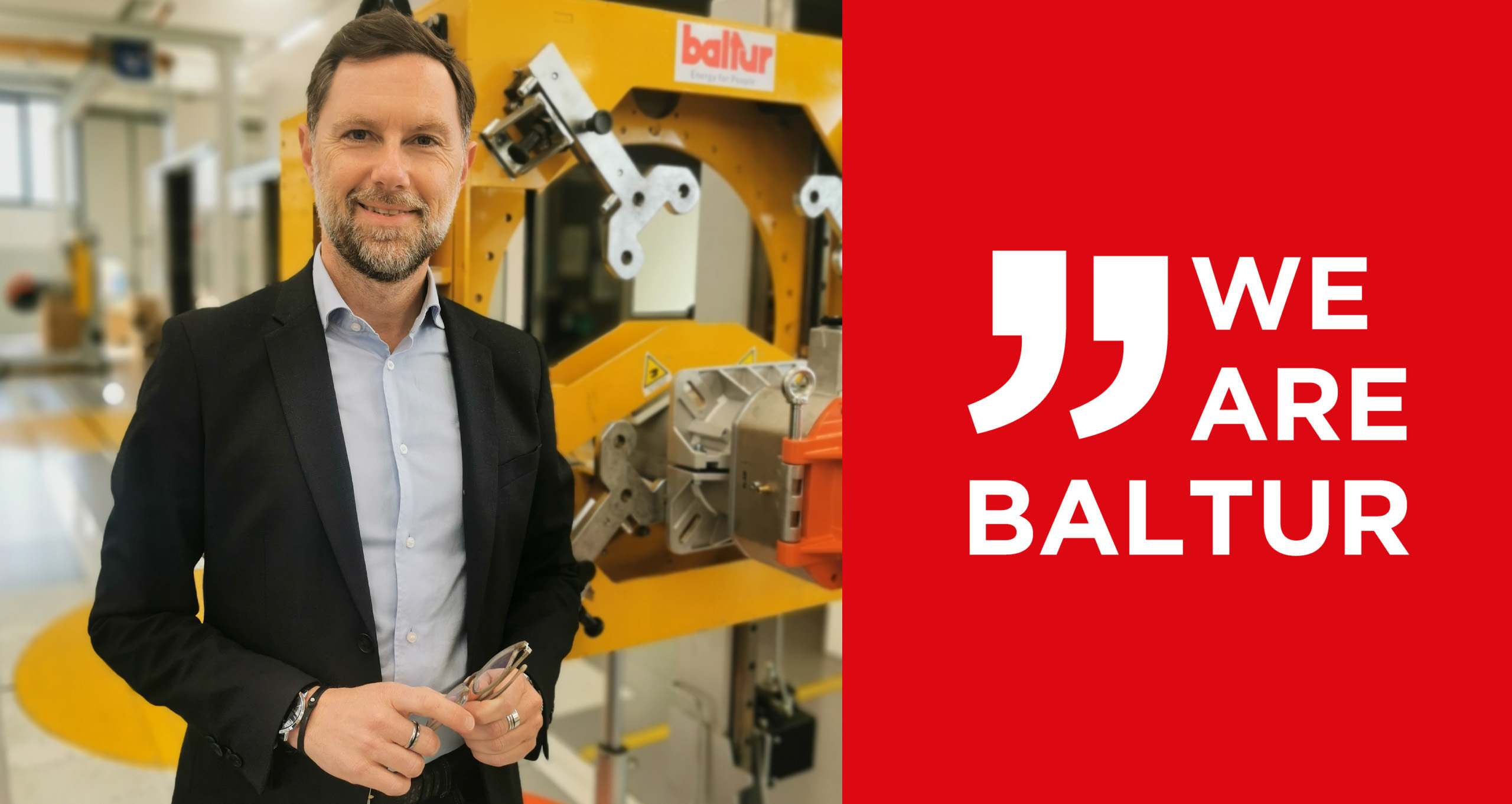
Interview with Alessio Visentin, Manager of the Baltur Application & Customer Engineering Department

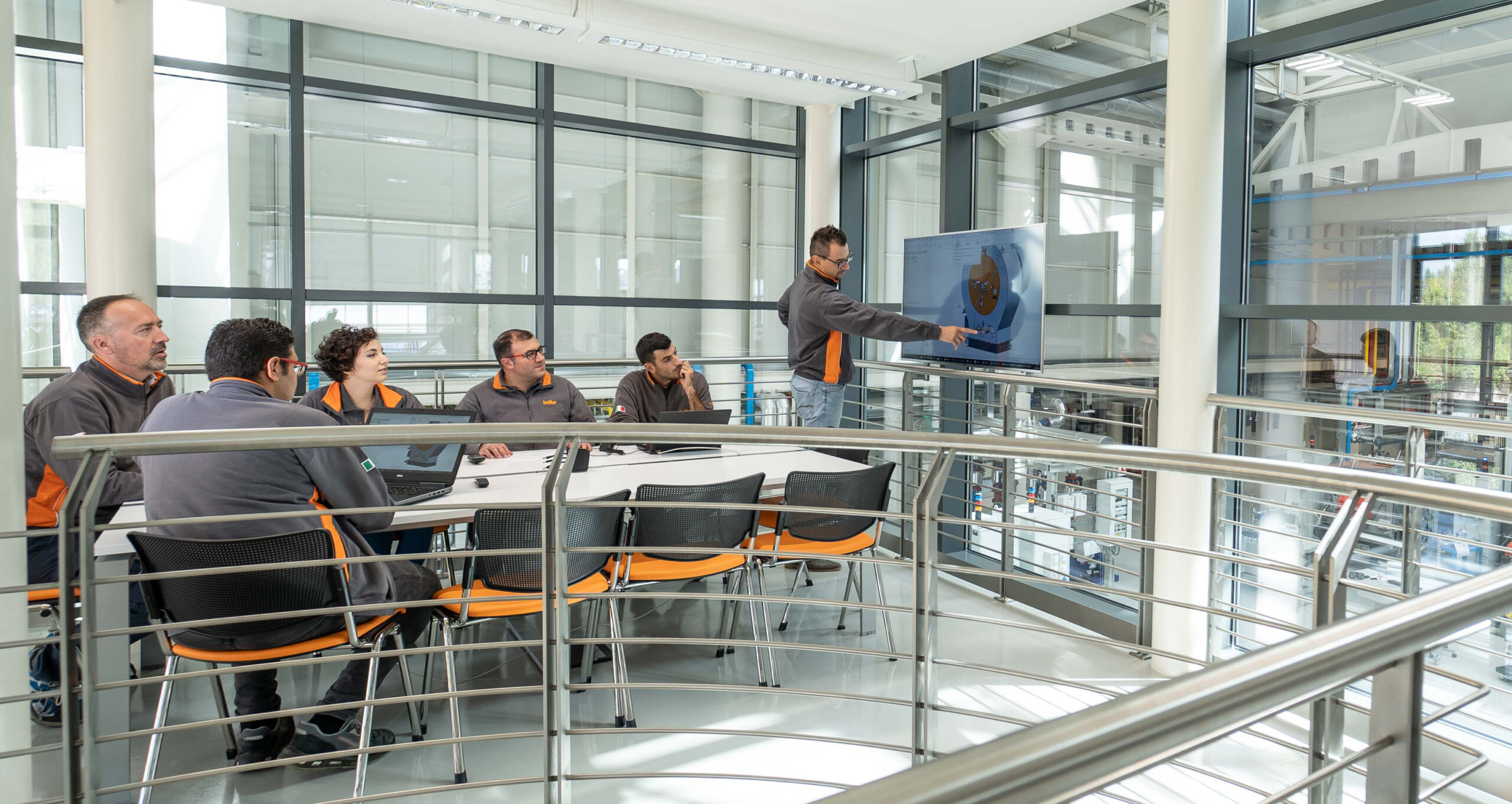
The Baltur Application Engineering Department supports customers by carrying out feasibility studies for special burners for all non-standard applications, both for large industrial plants and for small thermal power generation systems.

The Baltur Application Engineering Department is the first and most important technical reference point for the entire sales force, both internal and external, at all stages of the process: pre-sales, feasibility studies, commissioning and start-up, directly in the field.

The Department proactively participates in the pre-sales stages of all burners, both standard and non-standard, irrespective of power output (from 30 to 40 kilowatts up to 40 megawatts) while also dealing with even the most complex requests.

The team, led by Alessio Visentin, is made up of professionals with high profile skills – two Application Engineers, a Customer Engineer and a Commissioning & Technical Support Engineer – who are engaged in technical analyses, feasibility studies, design work, economic assessments, commissioning and start-up.

The team is also involved in the production of all the documentation relative to the plant and the spare parts (technical diagrams, instructions manuals, etc.) that are provided with the final product to support the activities of the sales network.
It also assists customers with the design of FGR systems (Flue Gas Recirculation) and in the implementation of solutions for reducing NOx emissions.

«Our mission – explains Alessio Visentin – is to define, promote and guarantee efficient and effective technical, design and engineering solutions, which ensure that our customers receive full satisfaction to their requests and that at the same time minimise development, design and production costs in keeping with our business philosophy while maintaining high performance and quality standards that make Baltur stand out from its competitors».

The Application Engineering Department is the primary technical reference point for the sales network. It plays a transversal role in the company, maintaining relationships with all departments – research and development, marketing, planning and production – and external customers. It liaises between the outside world and Baltur.

«We operate at 360 degrees, both internally and externally, with a very broad range of skills and a strong commercial awareness. This enables us to handle all situations that might arise in negotiations and above all build a relationship of trust».

Visentin’s team gains trust by providing effective Customer Care during pre-sales activities, through its skills, experience, flexibility and its willingness to carry out on-site testing, to travel abroad and its short response times.

Our ability to respond to market requirements derives from our specific expertise in the technologies applied to the products and our thorough and detailed knowledge of all Baltur products.

Alessio Visentin, Application Engineering Department Manager

  • Share on…
    Share
    Facebook
    X
    LinkedIn

Check also…

Energy crisis and rising production costs
22 March 2024

Energy crisis and rising production costs

  • Back

Multi-fuel burners and customised heating systems

Multi-fuel burners and customised heating systems
27 August 2024

Categories:

Spotlight, We are Baltur, Products

In the midst of this energy transition process, Baltur is active on several fronts


One of the projects they have been working on for some time is the development of new multi-fuel burners. In other words, burners that operate with alternative fuels with a low environmental impact, fuels derived from gaseous waste produced during industrial processes and/or gasification of waste vegetable biomasses, such as Syngas, Biogas, and gaseous mixtures of various compositions.
Multi-fuel burners are able to guarantee component quality and reliable operation over time, while minimising NOx emissions.

The energy crisis that has dramatically unfolded over the past year and a half has triggered the search for the use of the most varied forms of energy, based on the combustion of alternative (to natural gas) liquid and gaseous fuels.
In this period, Baltur has developed multi-fuel burners and has already built and tested customised heating systems, also aiming to reduce the operating costs of industrial processes.
On the other hand, Baltur continues its commitment, as always, to ultra-low Nox and low power burners across its entire range of burners up to 80MW.

At this specific and delicate moment in history, Baltur has been able to address the current energy crisis, caused by the rising cost of gas, which is having a major impact on the market.
What skills and tools have enabled you to tackle this moment?

The worsening energy crisis over the past year, caused by the current conflict between Russia and Ukraine, has prompted Italian industries to intensify their search for alternative energy sources to natural gas in order to reduce the costs of the industrial processes underlying their activities.

Baltur has supported industries by providing tailor-made solutions, co-designed with industrial companies, aimed at the alternating or simultaneous use of alternative fuels, mainly of vegetable origin. In addition to supplying multi-fuel burners, we have ensured our customers meet NOx emission standards, guaranteeing the results through preliminary tests in our research and development laboratory.

Thanks to our new laboratory, we have been able to carry out preliminary combustion tests with alternative fuels by analysing atmospheric emissions (NOx, CO, SO2, particulate matter, etc.). Simultaneously, we have provided efficient solutions that help companies save energy by using combustion optimisation technologies and reducing primary energy consumption. We also provided plant consultancy to our customers, supporting them from the pre-sales phase up to commissioning & start-up thanks to the expertise of our Application Engineering Division.

Baltur seems to be more and more organised and flexible in responding to the continuous changes in Italian and international socio-economic contexts, addressing the most diverse market demands.
How do you always manage to be ready for these changing scenarios?
What actions have you taken to cope with the more diverse demands of the markets?

For some years now, Baltur has built up and developed a team of engineers dedicated exclusively to providing highly customised solutions that meet the requirements of customers in a wide variety of industries.

In fact, Application Engineering is a department that aims to produce not only “special” burners, but actual engineering solutions aimed at satisfying specific requirements.
We are now able to supply products in the following sectors:

  • Waste Energy,
  • energy production,
  • large power stations for district heating plants,
  • industrial drying,
  • civil and industrial heating,
  • treatment of gaseous effluents in industry, etc.

The combination I have focused on at Baltur, formed by the new, advanced combustion laboratory and theApplication Engineering department, has enabled the company to enter markets and applications that were unthinkable a few years ago.

However, Baltur is also always focused on the development of environmentally friendly solutions and products, both for residential comfort and for medium and large burners. Any previews?

In the area of residential comfort, we are perfecting the development of next-generation condensing boilers suitable for the use of green fuels such as mixtures of natural gas and hydrogen.

We will also soon be bringing to the market new-generation “hybrid systems” (heat pump + condensing boiler) which, in addition to using a high percentage of renewable energy, will be equipped with electronics that allow us to reduce operating costs, thereby cutting the time required for users to recover their investment: in short, environmentally friendly, intelligent and economical!

Also in this area, we have initiated research and development projects for the manufacture of high-power condensing boilers suitable for operation with mixtures of natural gas and hydrogen (20%) up to 500 kW per individual module.
We are also working on expanding the range of our ultra-low NOx diffusive flame burners, up to 20 MW.

What is the vision for the near future of the CEO at Baltur?

Continue to invest in the research and development of our core business (burners) and the expansion of high-performance, user-friendly products in the area of residential comfort.

Pre- and after-sales services will also be given attention and strengthened to better meet the increasingly specific needs of the market.

Why choose multi-fuel burners from Baltur.

  • Share on…
    Share
    Facebook
    X
    LinkedIn

Check also…

Energy crisis and rising production costs
22 March 2024

Energy crisis and rising production costs

  • Back

TB Burner Range Restyling

TB Burner Range Restyling
2 August 2024

Categories:

Spotlight, Products, Senza categoria

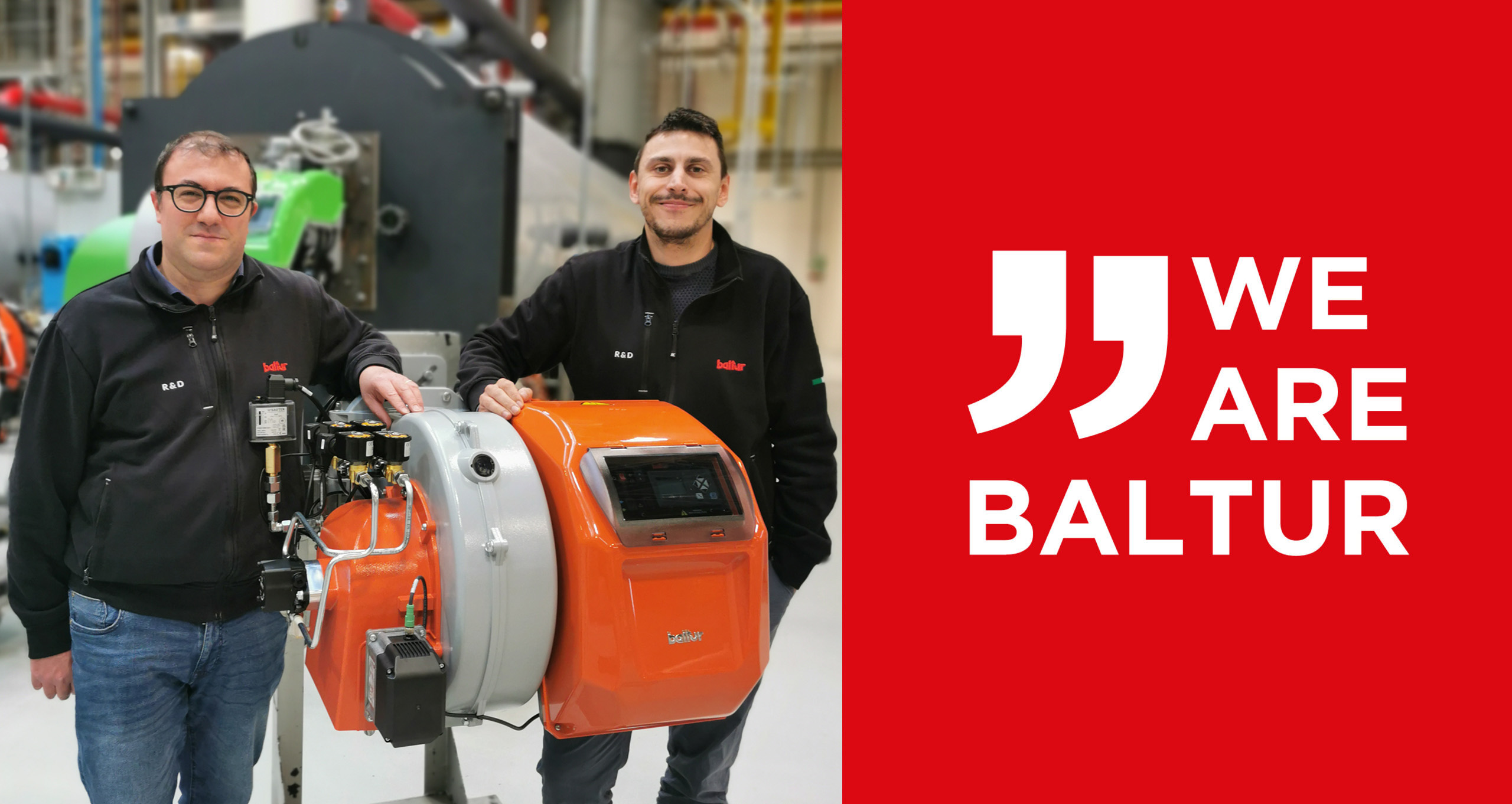
Double interview with Luca Borghi, manager of the Mechanical Design Engineering Department, and Luca Furini, the Baltur Electrical Designer


In a few words, tell us about you and your history at Baltur.

“I joined Baltur in 2022, so just two years ago.

I’ve always worked at small companies, and this is the first large company that I’ve worker for.

It’s a whole new experience for me. It’s much more structured, and I get along well with all my colleagues. It’s really nice to be able to design in such a pleasant environment. As an Electrical Designer, I handle all of the electrical aspects for both the standard and non-standard Burners, and I travel to the customers’ facilities whenever necessary.”

Luca Furini

“I’ve been at Baltur since 2002. I celebrated my twenty years with the company 2 years ago.

I work in R&D as manager of the mechanical design engineering department. In addition to the mechanical design department, R&D also includes the Electrical Design department, the Application Engineering department, and the Prototype and R&D Laboratories, where the testing is carried out. I coordinate the mechanical designers who deal with the standard or catalogue products, and manage the technical and commercial documentation, like the Burner Manuals for example.

When I first began working at Baltur as a designer, I was mentored by someone with more experience than me. At first I was assigned to the boilers, and after about 2 years I joined the Burners team, always working alongside a manager.

That was when I began gaining all my knowledge and experience with the Burners, following the entire process that leads to the development of new products: from the feasibility study, to design and development, industrialization, technical documentation, type approval, and, finally, to market introduction.

I have been involved in many of the major projects that have led to the full range of Baltur burners that we have today. One of the most significant was the project that led to the creation of the current medium power “TB” series (800-3600 kW). This “historic” project was the predecessor of the new restyling project that we’re currently discussing.

As mechanical design manager and team leader, within the engineering department I have the opportunity to monitor both the design and product development aspects, as well as the project management aspects.

In recent years, Baltur has equipped itself with one of the most advanced Combustion Test Laboratories in Italy today, so it is very exciting to be able to work on projects developed within this facility, thanks also to the contribution of all our technicians, who are always extremely helpful in tackling new problems and challenges.”

Luca Borghi

On the topic of challenges… let’s talk about the new New TB project, for which you two were responsible for restyling the mechanical and electrical parts.

“The original project that led to the development of the old ‘TB’ range was the first major project that I had the opportunity to take part in. The studies and market research had begun as early as 2003. At that time the Sales Director thought that there was a need to develop a new Series of Burners covering the power range from 600 kW to 1500 kW, and I was entrusted with the development of all the ventilation aspects. This was a great source of pride for me. It was a demanding job that allowed me to follow the development, calculations, sizing, prototyping, and testing of the ventilation components, participating in both the design and industrialization processes.

These were very important years for me, as I began to gain some solid experience with Baltur products.”

Luca Borghi

When was the first “TB” range born?

“The first range was presented in 2006 at the Expocomfort exhibition in Milan. It originally consisted of just 12 models. Then, over the years, it expanded more and more, and increased in power up to 3,600 kW, doubling what had been the initial goal.”

Luca Borghi

“From 2004, the year when the first sketches were drawn, to 2022, an enormous amount of work has been done on the range, in a process that has involved the entire company for more than 10 years. In fact, versions that were not originally envisaged have come into being, with over 150 gas and mixed fuel models, and new and increasingly innovative applications have been introduced in terms of environmental impact and emissions. In recent years, the need has arisen to carry out a restyling of the design, in order to remake and renew the equipment, while at the same time remaining true to the original product, given its success. So we’re talking about a restyling in terms of design, with a new, more attractive look, as well as in terms of streamlining the power range, by standardising and optimising certain aspects.

Above all, we have sought to reduce the level of pollutant emissions, and to optimise the electrical consumption values.

Today we have a complete range of about 150 Burner models, available in all versions, which are extremely high performance in terms of emissions, energy savings, and electricity consumption.”

Luca Borghi

What has the evolution been like from an electrical point of view, Dr. Furini?

“The electronics have been upgraded and the control units are increasingly advanced and integrated. So we have also made structural changes that allow us to do more precise operations. The need arose, even at the regulatory level, to adapt the electrical system, and we have adopted a solution that works better for the installer, and can facilitate the final installation tasks. We are also working on an extremely high-efficiency electric motor in collaboration with our supplier, who is one of the world leaders in the field, and produces some of the most innovative products on the market. These advanced motors have a driver that interfaces with the electronics on board the machine.

We’re already 90% through the customisation process, and will be among the first in Europe to equip the most advanced versions of our products with these ultra high-efficiency motors.”

Luca Furini

What are the advantages of the new “TB” versions?

“In addition to the design, performance, and energy efficiency features, the project team also worked on the following aspects:

  • The streamlining of the product range, which led to the elimination of several models deemed obsolete, and the introduction of new models aimed at meeting new market needs
  • Redesign of the structure with the aim of optimising the production process, making it easier and faster to install and commission the product, and making the product more robust and suitable for use even for applications that are particularly heavy-duty in terms of mechanical and thermal stresses
  • Redesign of the manuals, with the aim of making them more complete, well-structured, and intuitive for the installer

One advantage is certainly application flexibility, which we are able to guarantee thanks to the help of the Application Engineering department, created 10 years ago within the R&D department, which researches custom solutions and modifications to the products in the catalogue in order to meet specific needs, carrying out feasibility studies and developing non-standard designs, which today are very important for Baltur.”

“The off-standard designs make it possible to include our products in Atex and mixing fuel applications, and to operate with two or more gaseous or gaseous and liquid fuels simultaneously. These highly advanced solutions allow us to meet as many needs and new applications as possible, in an optimised manner.

The new product range thus offers more industrialized systems that are easier to apply, even for the end user, allowing for more efficient operation thanks to the non-standard designs.”

“We have also improved the combustion technology and significantly reduced NOx emissions, for which the regulatory limits are gradually becoming more stringent at the European and regional levels, even below 80 mg/kWh.

With the new “TBG…SLX” burners, which are part of the new range, we are able to guarantee NOx emissions below 50 mg/Nm3 up to 2700 kW. We’re working to reach the next step, which is the 30 mg/Nm3 NOx limit, which corresponds to the lowest emission levels required on the markets in which Baltur operates.”

When will the new range be available?

“The first models of the new TB single-fuel gas and diesel range, with two-stage and modulating control with mechanical cam, will be available on the market in March 2024.

There will be further releases in June 2024, and gas versions with electronic cam modulating control and with integrated inverters will become available during the second half of 2024.

New mixed models with modulating gas and two-stage diesel control will also become available in late 2024 or early 2025.”

“The new TB series will be expanded to include a new family of mixed burners, which weren’t present in the old series, with electronic modulating control on both the gas and diesel versions.”

“For both fuels (gas and liquid), modulation makes it possible to maximise the system’s energy efficiency, and is an optimal solution for standard applications, such as thermal power plants in hospitals, as well as in situations where there is a need to reduce energy costs and take advantage of alternative fuels, such as soybean oil, or even more economical products like production waste.

The process of replacing the old TB range with the new models will be completed during the first half of 2025, with the release of the new “TBG…FGR” range, equipped with an external combustion gas recirculation system, and the previously mentioned “TBG…SLX” range.

Luca Borghi


Baltur’s new products also include the new SLX ultra-low NOx series, developed by Engineer Valentina Moccia’s team, which will also be released in 2024.

  • Share on…
    Share
    Facebook
    X
    LinkedIn

Check also…

Lean Business Processes, Agile Organisation, Targeted Investments: assets for Business Growth
2 August 2024

Lean Business Processes, Agile Organisation, Targeted Investments: assets for Business Growth

  • Back

Lean Business Processes, Agile Organisation, Targeted Investments: assets for Business Growth

Lean Business Processes, Agile Organisation, Targeted Investments: assets for Business Growth
2 August 2024

Categories:

Spotlight, We are Baltur, Senza categoria

Lean Business Processes, Agile Organisation, Targeted Investments: assets for Business Growth


The importance of having Lean Business Processes, Agile Organisation Capabilities, and Targeted Investments, for steady Business Growth and a company that stays ahead of the curve. We discuss these topics with Mattia Vandi, Supply Chain Manager for Baltur.

When did you join Baltur?

I joined Baltur in August of 2022, after almost 17 years working for two American Multinationals, the last one operating in the Renewable Energy and Mechanical Transmission sector.

I decided to accept the challenge proposed to me by Baltur: to launch a series of reviews and implementations of Operating Processes structured from a Lean Manufacturing perspective, within the Supply Chain and Operations areas, in order to mitigate the global issues that arose during the pandemic and with the outbreak of the war in Ukraine.

After many years in the international arena, I also chose Italian-ness as a motivating factor, because I believe that a well-established company like Baltur has a lot to offer on the broad international Market on which it operates.

Where have you been focusing your activities up until now?

Following an initial period of observing the current processes and interactions, we developed a “List of Priorities,” after which, in collaboration with the Management and my own team, an actionable Roadmap was created, which laid out the goals to be achieved along with the presumed time frames.

I believe that sharing a Roadmap is crucial, because having common goals is a great way to engage and motivate the team.

Starting with an internal reorganisation, the main activities consisted of the implementation/review of the operational indicators and metrics (the KPIs), incorporating the regular discussion of opportunities for improvement with the goal of enhancing accountability.
We immediately introduced Lean tools and processes, establishing a Project Management Model (with an Action Plan) in order to manage the critical medium- to long-term Projects involving multiple entities.

Have you introduced new Corporate tools?

In collaboration with the Italian and Foreign Sales Department, we have reinstated and improved a fundamental cutting-edge tool for Sales management and forecasting, the Demand & Inventory Planner, which was “tailor-made” by a specialised external company.

We recently implemented Sales & Operations (S&OP) Planning for sharing Sales and Operations strategies.

In the Production department, we will be making two major investments for 2024: the first is the upgrade of the second Burner Testing booth, in order to avoid bottlenecks and increase production output; and the second is the implementation of the M.E.S. (Manufacturing Execution System), for the collection and analytical management of the Production data.

We are also strengthening our strategic partnerships with several Suppliers, increasingly pushing for an efficient S-Q-D-C-I (Safety, Quality, Delivery, Cost, Inventory) management model, both internally and externally, in order to remain constantly competitive on the Market, and to continuously improve our Customer Service Levels.

What do you think is the best strategic approach for the future?

Certainly an approach and an organisation that takes into account and ensures a proper balance of the following three fundamental elements: People, Processes, and Performance. Success always depends on these three basic factors, each of which is a natural consequence of the other two.

I believe that, for a company of Baltur’s size, it is essential to be both agile and organised at the same time, working as a team, evaluating the results, and striving for continuous improvement.

The constraints imposed by globalisation have changed over the past four years, and the effects on the supply chains need to be addressed quickly. It’s important to be able to rethink your strategies.

From a practical standpoint, we will be focused on monitoring and balancing the production cycles and the relevant Production scheduling, in order to optimise our internal and external Value Stream, focusing greater attention on so-called Non-Standard Finished Products (for large systems based on Customer specifications), while at the same time remaining attentive to the Safety aspects.

We will also be investing in Training, in order to offer our Human Resources the opportunity to improve both their technical and communication skills.

  • Share on…
    Share
    Facebook
    X
    LinkedIn

Check also…

TB Burner Range Restyling
2 August 2024

TB Burner Range Restyling

  • Back

Baltur’s new patented combustion technology

Baltur’s new patented combustion technology
2 August 2024

Categories:

Spotlight, We are Baltur, Products, Senza categoria

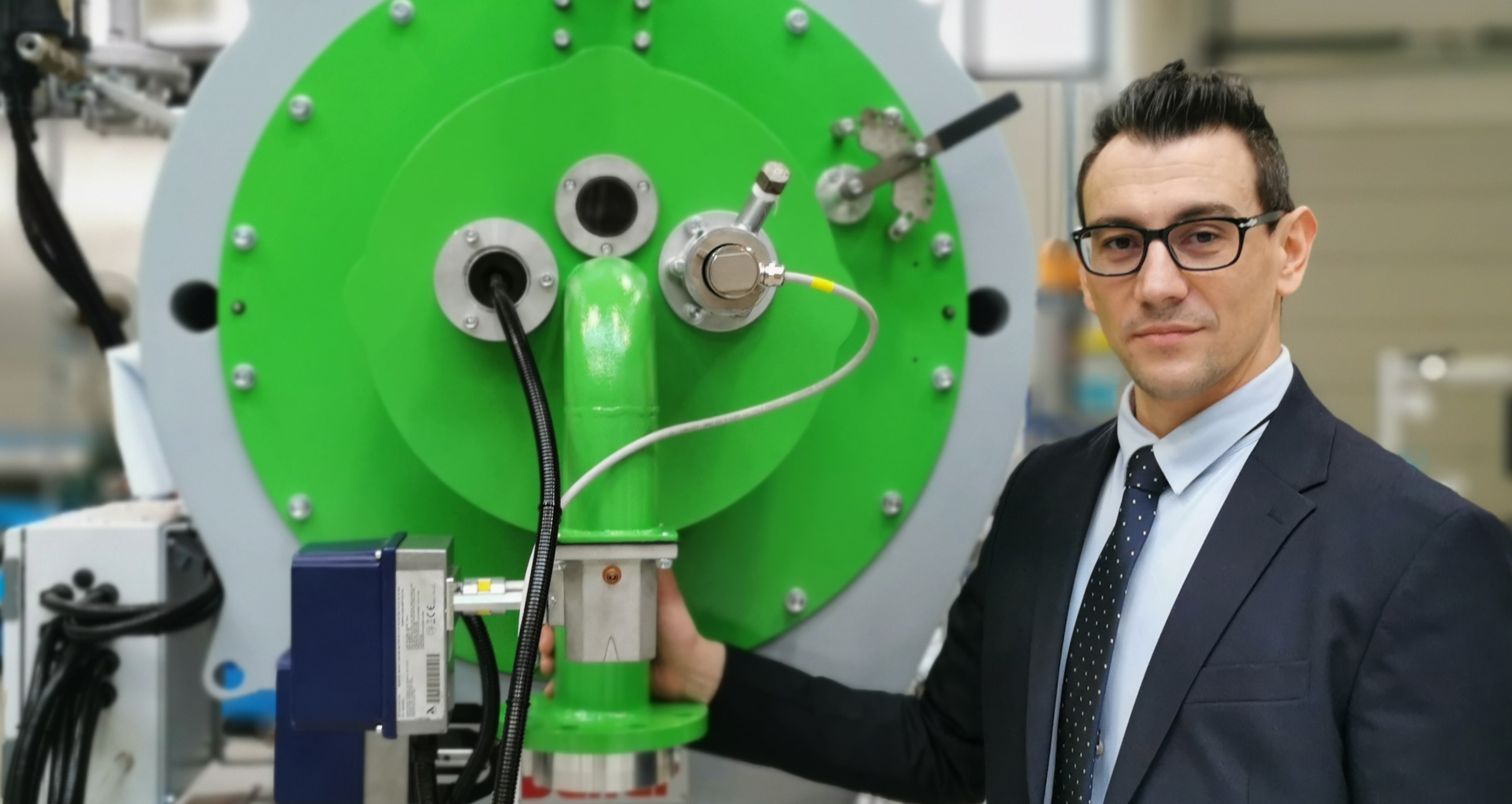
Interview with Valentina Moccia, Mechanical Designer at Baltur


“I joined Baltur in the summer of 2017 as a Mechanical Designer, and in the summer of 2019 I was assigned my first project as team leader for the research, development and manufacture of a new series of burners – the future SLX – setting as a strategic goal the development of a new combustion technology that would guarantee very low NOx emissions: <50 mg/Nm3, without the use of FGR (flue gas recirculation).
We knew it was going to be a long and challenging project. The knowledge we had already acquired was not enough to achieve our goal”.

“The early stages were purely experimental (and the most fun in my opinion).
With the input from our more experienced colleagues, we developed various components of the combustion head and performed “cold” CFD (computational fluid dynamics) simulations – without simulating combustion processes – to try to determine the gas and air flow rates.

The aims of this phase were to:

  • promote internal flue gas recirculation directly in the combustion chamber as much as possible
  • increase the turbulence of the fuel and comburent streams
  • divide the “combustion head” into two lines: a stable and robust “flame root” and one to complete the combustion process
  • decouple the gas supply to make the two lines independent of each other

Once a satisfactory geometry was found, the first prototype and initial tests in the Burner Laboratory were carried out.
Again, the synergy and contribution of all the technicians in the Laboratory were crucial for the development of this new technology.
We performed one test after another and made hundreds of new parts. First designed, then constructed in the prototype workshop, and finally tested.

After identifying an optimal solution, we focused on developing and defining the design of the head assembly in its details, with dedicated castings.

We carried out “hot” CFD simulations with the support of an external company – Enginsoft – to estimate temperatures, flame distribution and confirm the test data”.

“The combustion head research and development activity described above, in 2020 resulted in:

  1. the production of 3 prototype burners for 3 sizes of boilers
  2. the carrying out of two field tests and several in the laboratory on commercial boilers

Also of great importance was the patenting of this newly developed technology at the end of 2020.

In 2021, what is known as the flow of operational activities for the design and development of a new product began, identified by various stages that the team leader must follow to obtain authorisation for sale and the launch of series production”.

TBG SLX: Burners with the lowest emission class in Europe

“This series is called TBG SLX and the first 3 models, derived from the 3 prototypes mentioned before, were approved in the second half of 2021 with the lowest European emission class: class 4 according to EN 676 (NOx <60 mg/kWh).
Their production started at the end of 2021.

These major, innovative features have been explored in more detail in the article Baltur Super Low NOX Burners.
I will briefly point them out:

  1. New combustion head design with dual fuel distribution system and geometry that boosts flue gas recirculation within the combustion chamber
  2. Independent management and regulation of gas flows with two different supply systems

The primary applications are industrial and heating boilers. They also perform very well in flame inversion boilers, where other burners struggle with emissions”.

What do you appreciate most about Baltur and your department in particular?

“The family environment, the solidarity and synergy between colleagues within the entire R&D department, and the collaboration between the various departments.

In R&D we create the products that make and will make the company thrive, which is why I think the role of the designer and team leader is an important one, to be taken seriously and responsibly”.

What are the challenges you enjoy most about your job?

“Researching new technologies to make burners more efficient in terms of emissions, as well as easy to install and maintain”.

  • Share on…
    Share
    Facebook
    X
    LinkedIn

Check also…

Quality for Baltur
7 February 2024

Quality for Baltur

Facebook
Instagram
Youtube
LinkedIn
  • Product documentation
  • Work with us
  • Reserved area
  • Contacts
  • Privacy Policy
  • Cookie Policy
  • Whistelblowing
  • General Terms and Conditions of Sale
© 2024 Baltur S.p.A. - C.F. e P.IVA 00040200388